Why filter at all
Fish waste, leaves and dead plant material break down into ammonia and nutrients. A filter removes the particles and gives bacteria a place to turn ammonia into less harmful compounds. Without it, water turns green or toxic.
Mechanical filtration
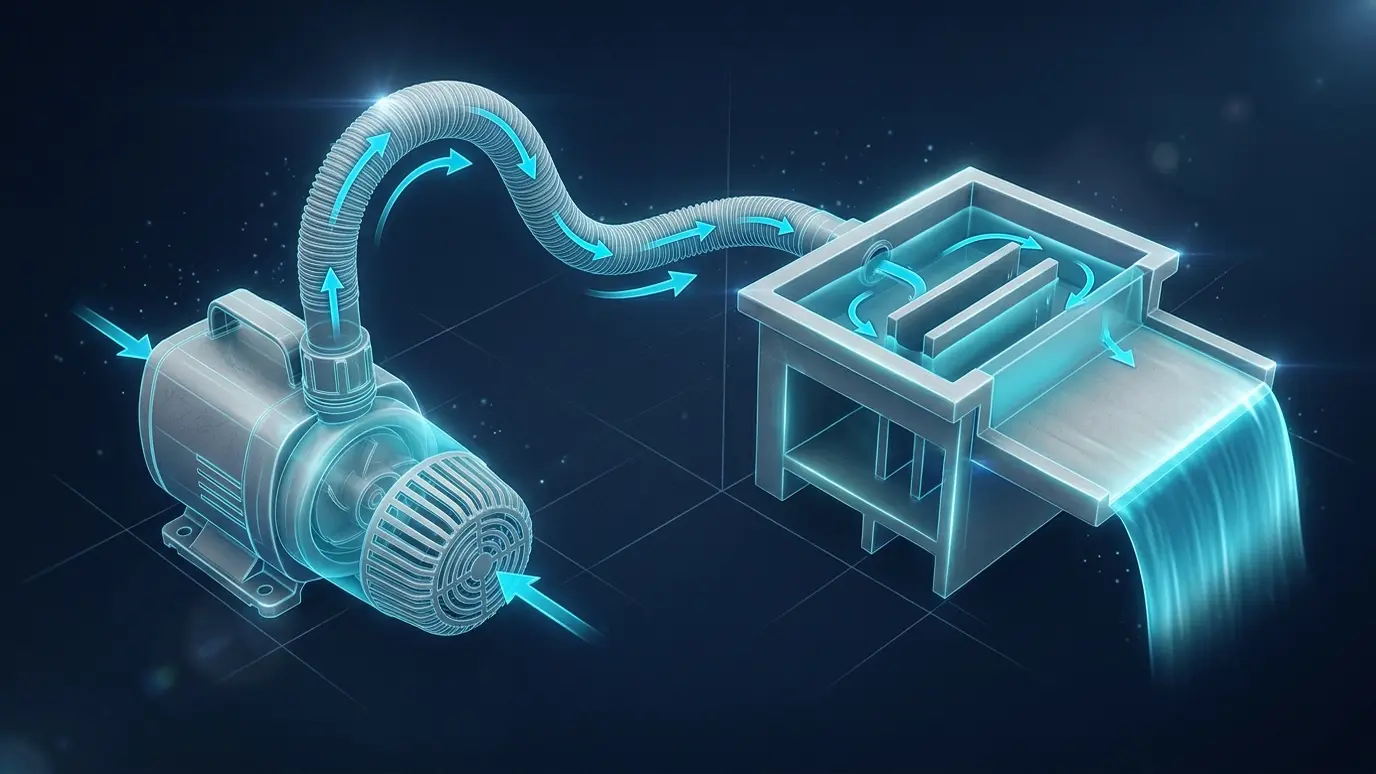
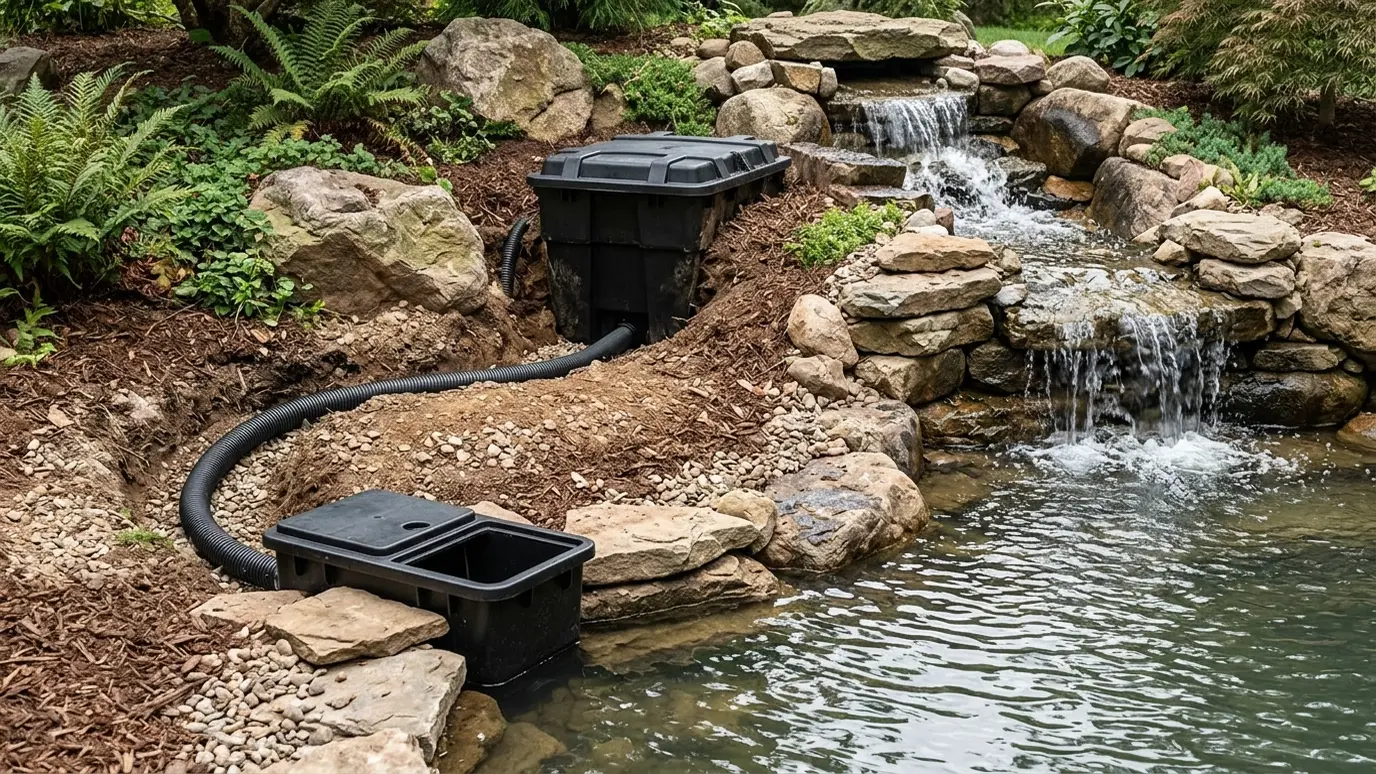
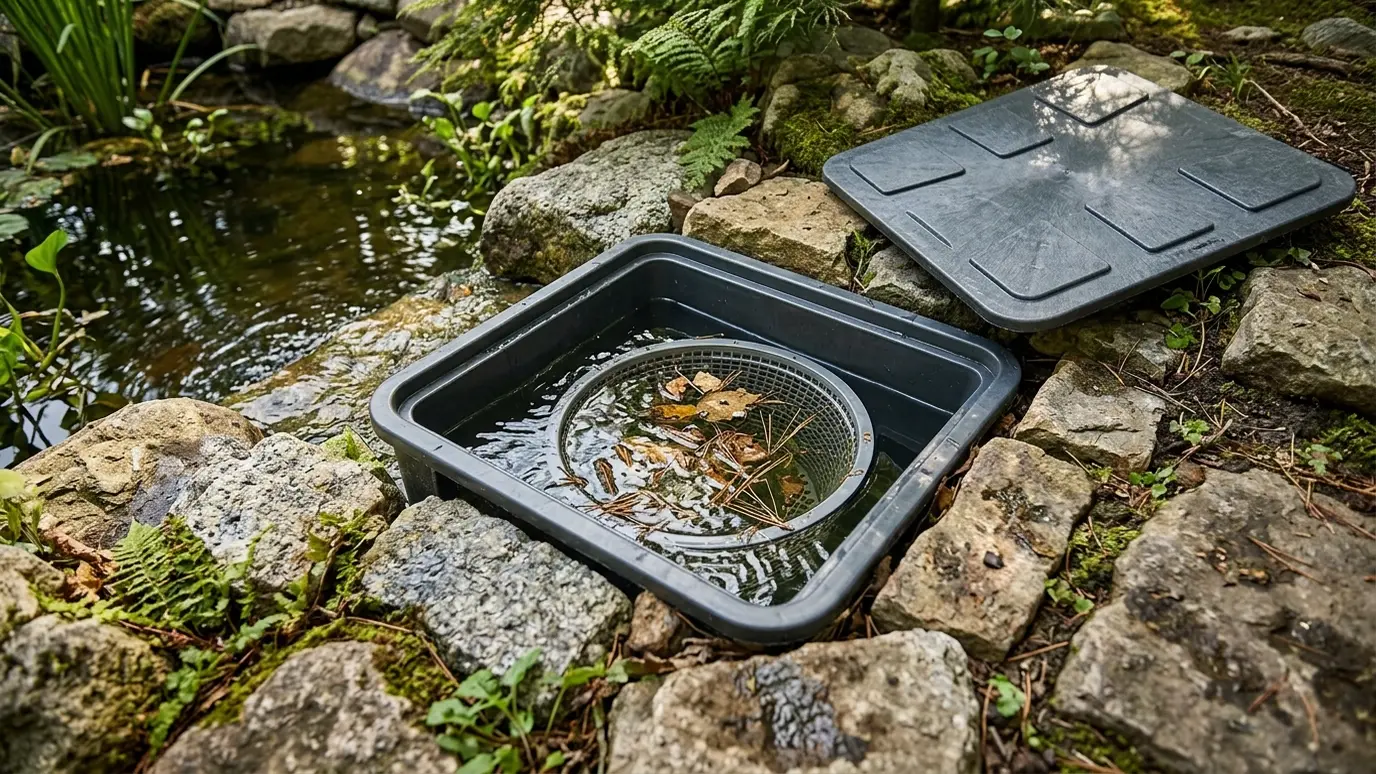
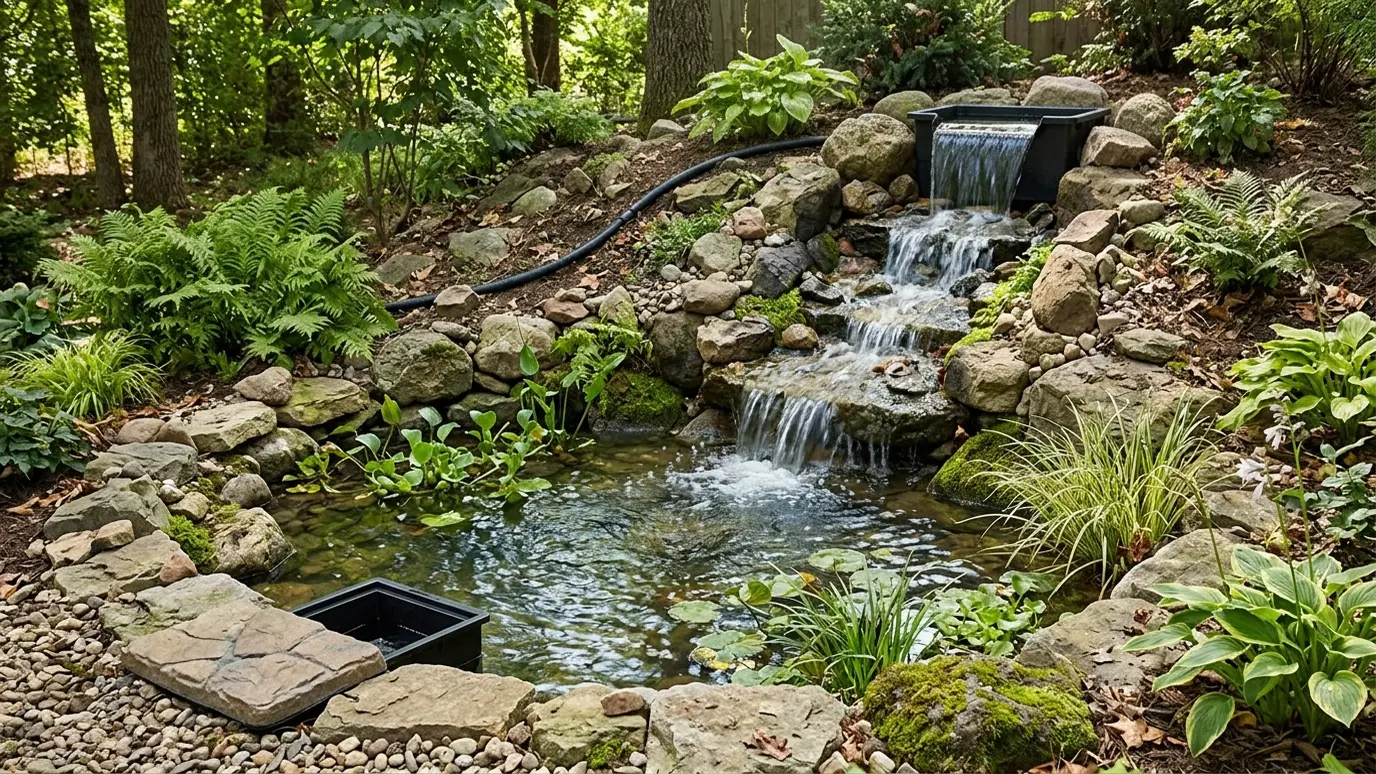
This stage catches solids. Skimmer baskets, filter mats, brushes, drums and settling chambers all do it. Removing particles before they break down is the least costly way to improve water quality.
Biological filtration
Beneficial bacteria live on surfaces with lots of area, such as media, gravel and plant roots. They convert ammonia to nitrite and then to nitrate. They need oxygen and a steady flow of water.
Natural filtration
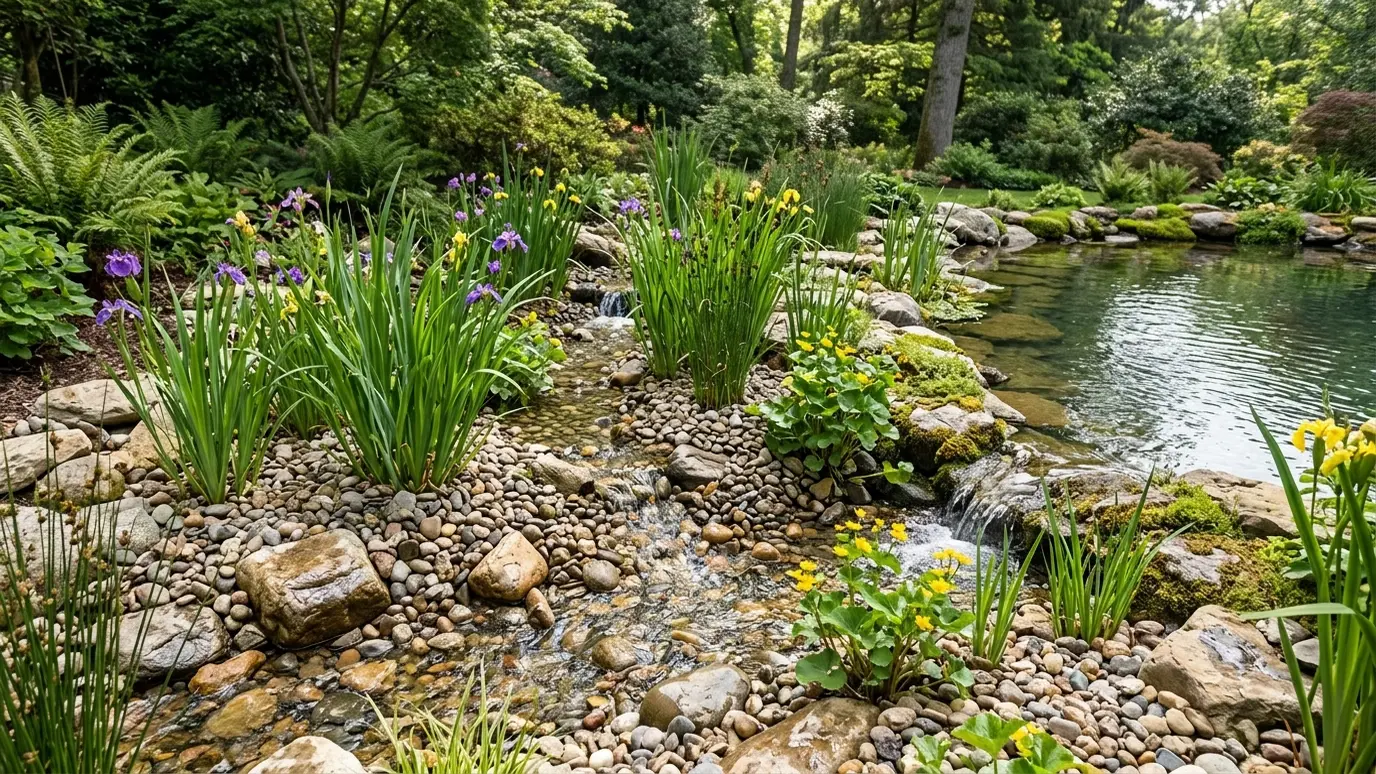
Bog filters and planted zones use gravel and roots to do the same job. They suit lightly stocked and natural ponds and look beautiful.
Sizing a filter
Filter capacity is usually rated for light fish loads. Koi ponds and heavily stocked ponds need more. When in doubt, go larger.
Cleaning without harm
Rinse mechanical media often. Rinse biological media gently in pond water, never in chlorinated tap water, so the bacteria survive.
Catch solids early, give bacteria plenty of surface and size the filter for the fish you will have.