EPDM rubber
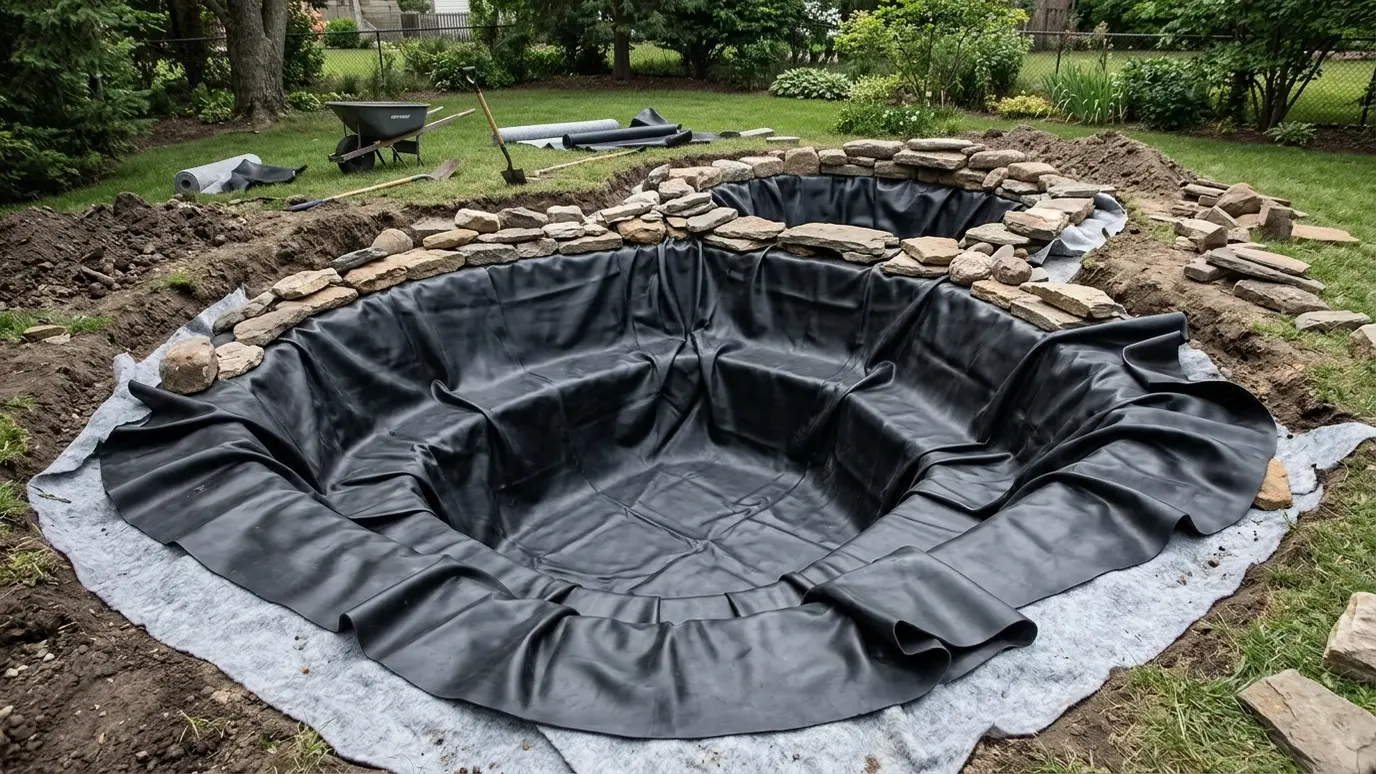
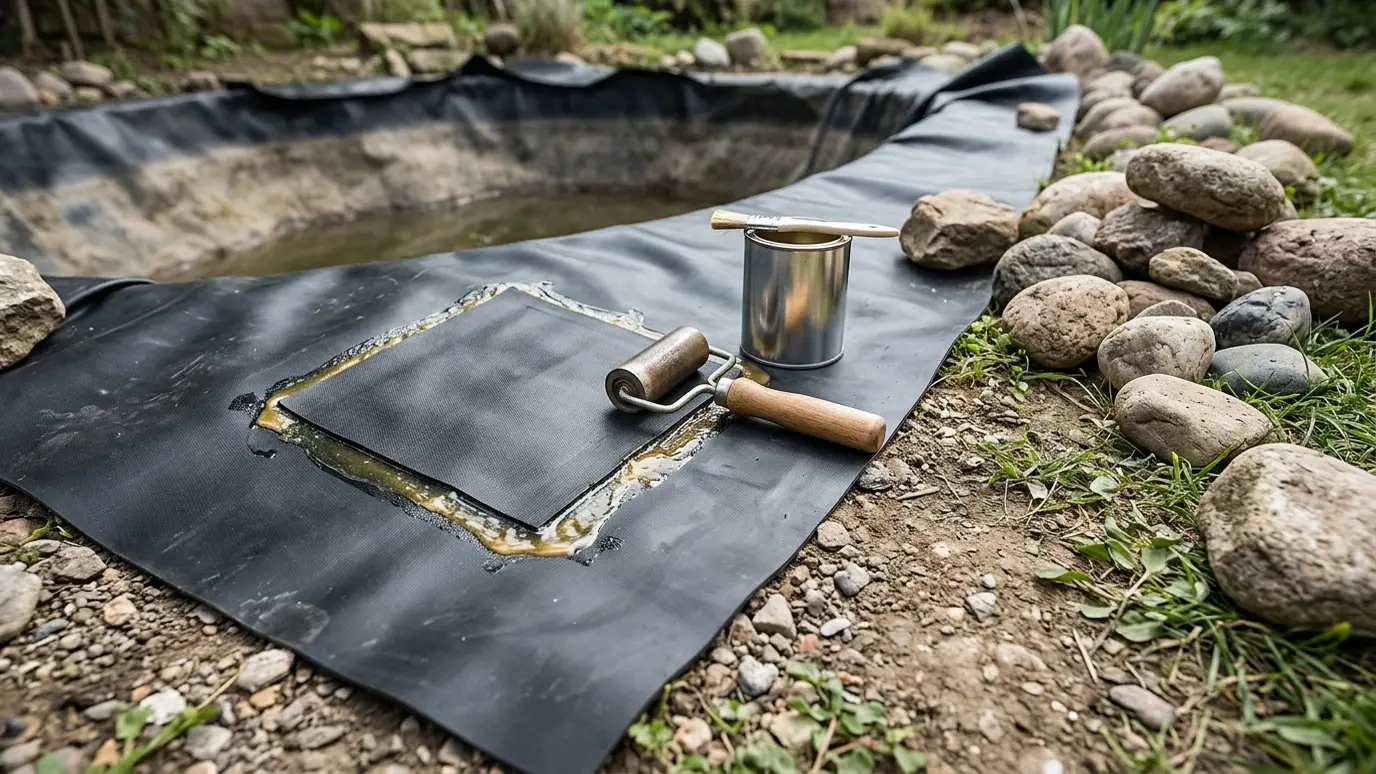
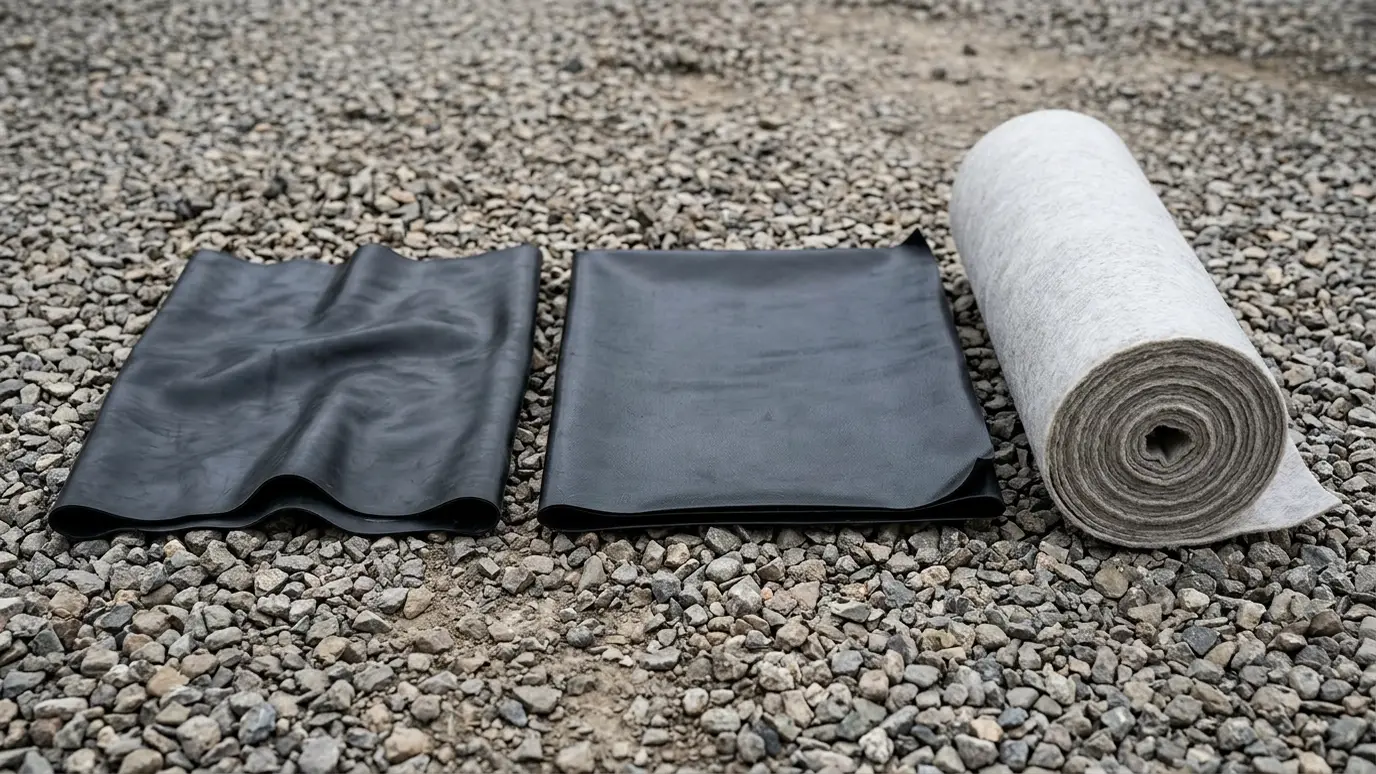
EPDM is the most popular pond liner. It is flexible, resists sun and cold and lasts for decades. It is easy to patch and handles odd shapes well.
PVC
PVC liners are lighter and lower in price. They can stiffen and crack in sun and cold over time and are harder to repair. They suit small, short-term projects.
RPE and reinforced liners
RPE is tough and strong, good for large ponds, but less flexible. It is harder to fold and seam, so it suits simpler shapes.
Preformed shells
Rigid shells are quick to set and limit design. They are fine for small ponds, but cannot match the freedom of a flexible liner.
How to size a liner
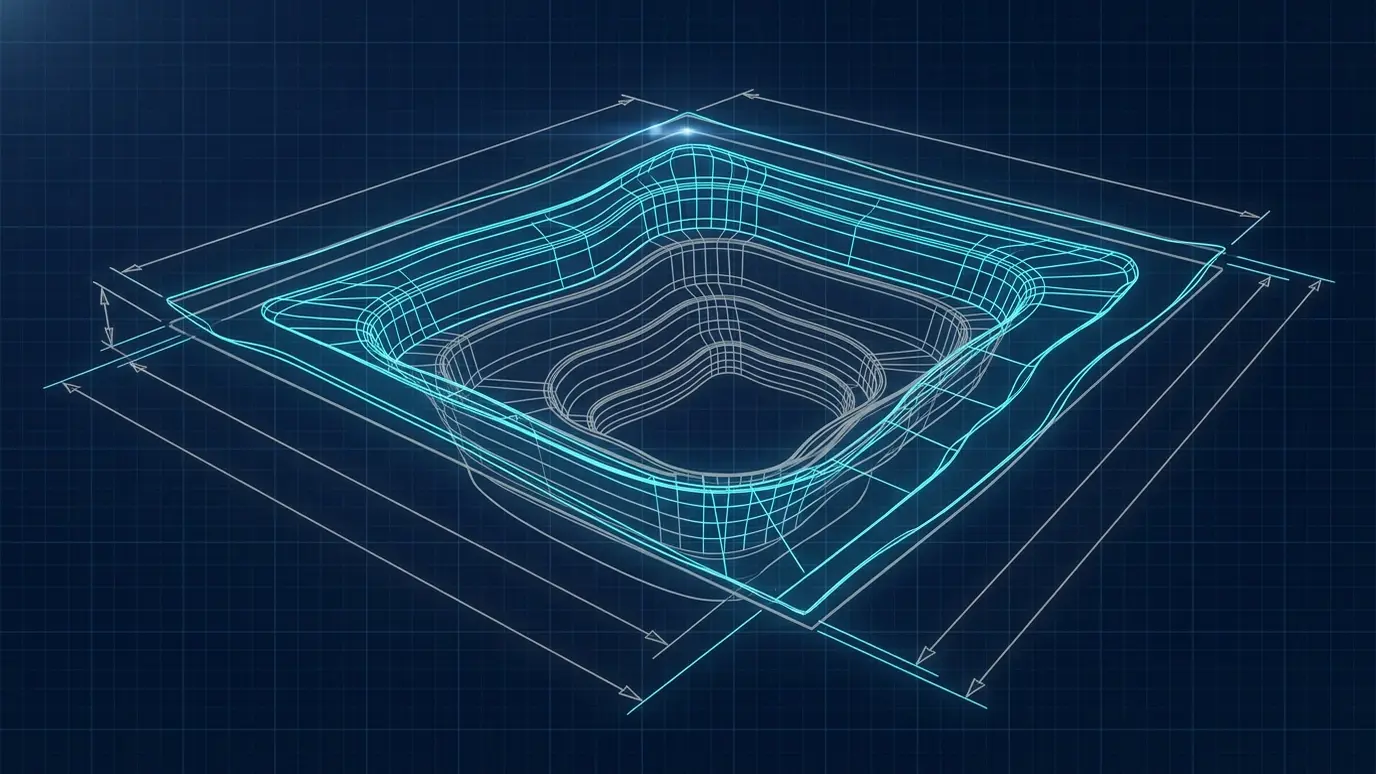
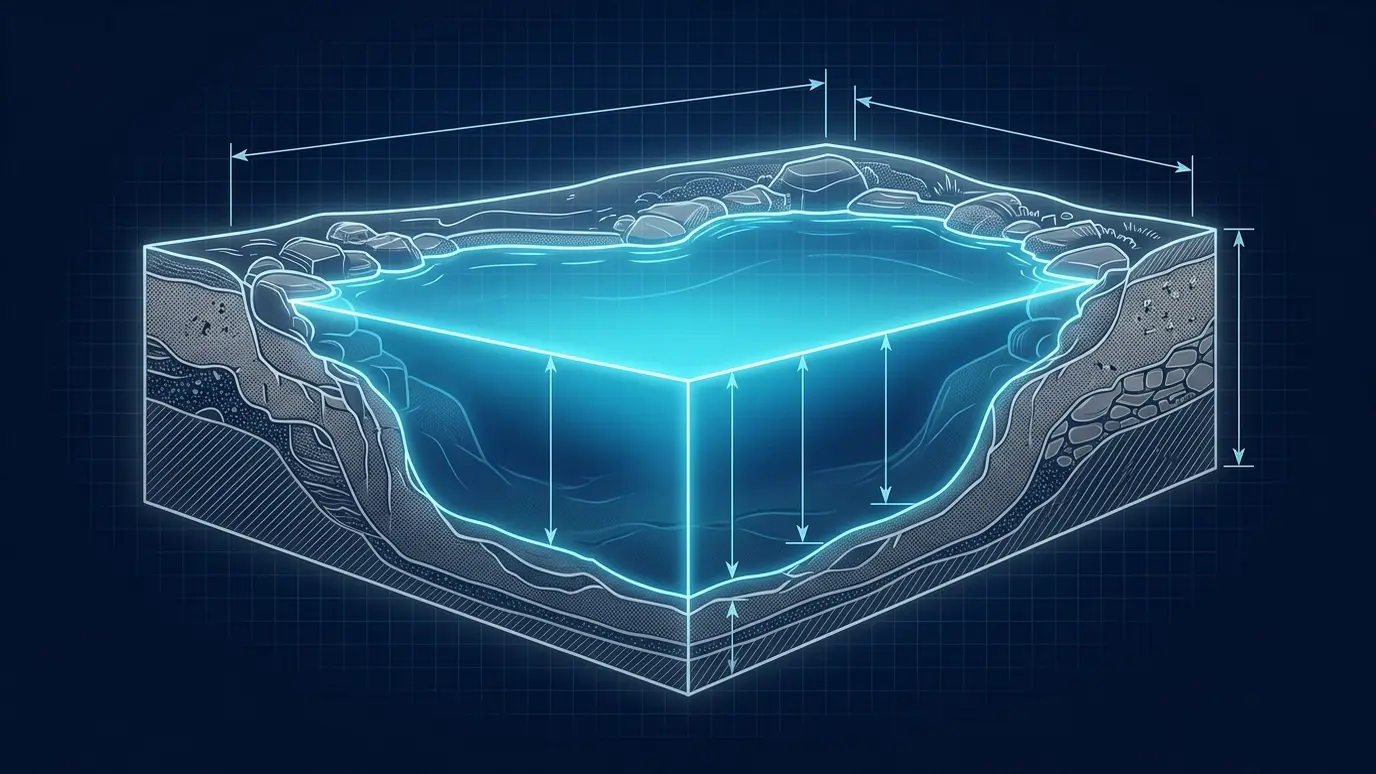
Length plus twice the depth plus two feet for edges. Width the same. A liner that is too short ruins a project, so measure carefully. Our liner tool does the math.
Underlayment and care
A good underlayment protects any liner from stones and roots. Keeping edges covered from the sun extends its life.
Choose EPDM rubber with a good underlayment for most ponds.